About ZVangas

From roots through time, toward tomorrow.
From the previous owner of this house, a simple yet symbolic reminder has remained here as a gift — an old embroidered towel with the words: “Heart with God. Hands at work.”
It quietly resonates with the way we ourselves choose to live, serve, and work today, because Zvangas is more than just a place for us — it is a home and a way of life that we entrust to God’s guidance.

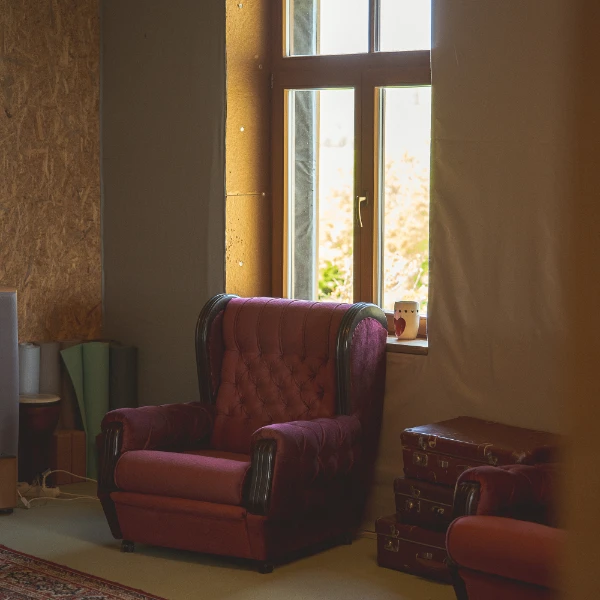
Here, we are creating an environment where a person can arrive exactly as they are and encounter peace, silence, and space for themselves, or share meaningful time together with their family.

This home is becoming a harbor of peace — a place where one can come in and exhale, where the weary find refreshment, the lonely find presence, and everyone is received with simple human warmth.

It is a countryside space open to those who seek peace and truth. And sometimes, it is precisely in this simplicity that a person experiences something more than expected — a peace that remains and a lightness that cannot be fully explained.

We are shaping this living space so that everyone who enters may, even if only for a moment, lay down what is heavy, regain strength, and continue onward with a lighter heart.

Below, you can discover the history of the house and its surroundings, though its true value is best experienced in person. We welcome you with warmth and love.

— Liene and Uldis

Zvangas: The Journey

In 2025, Zvangas began to open gradually to people, and the experiences, conversations, and small gatherings that took place here marked the true life and development of the space.

Life happens here — quietly, but genuinely. People arrive to step out of their everyday rhythm for a while, to meet themselves, and to be in an environment where there is no need to play roles. Some stay for a short time, others return again and again. There are conversations, shared presence, and a sense of relief from the noise of the world.

During this year, Zvangas has been joined by several volunteers whose presence and work have helped the space grow and take root. The volunteer program is currently being reviewed and re-shaped, with the intention of reopening it in spring 2026 — in a considered form that aligns with the rhythm and values of the place.

At Zvangas, the duo Synergy has held a concert-meditation; workshops and shared gatherings have taken place; detox programs have been initiated; and small-scale cacao and chocolate production has begun. These moments mark the opening of the space to people and togetherness, rather than to an intensive program schedule.
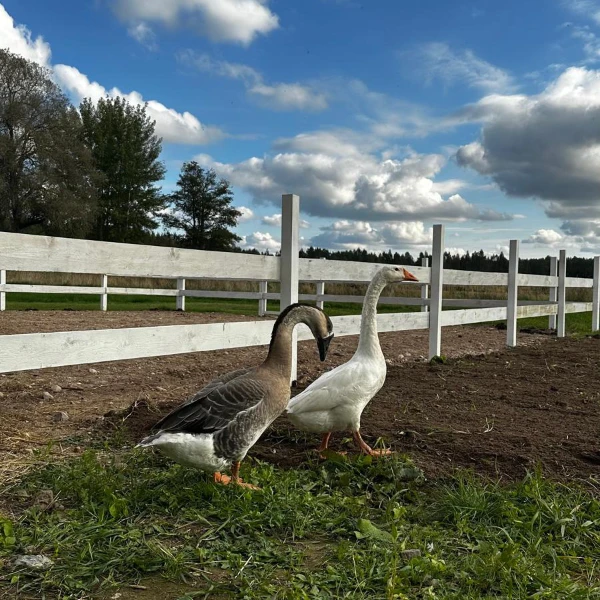
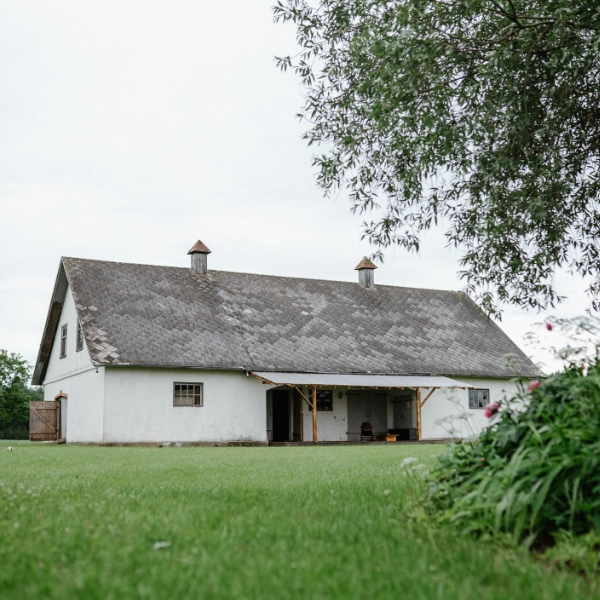
Animals are gradually becoming part of the farm — horses, chickens, and geese — and with them, the land is beginning to take on the character of a traditional rural homestead. Paddocks and pastures are being established; renovation work has taken place at one end of the barn, where a stable has been created; and a small chicken coop with an enclosed run has been set up. These changes are shaping a living rural environment that is returning to its natural rhythm. We share more about the animals and the household in a separate section.

Work on the grounds and the creation of living spaces is also continuing. On the ground floor of the residential house, separate apartments, several rooms, and a shared kitchen have been created for guests. These spaces are designed to offer a calm and restorative stay.

Zvangas is not being developed as a human-driven project with a rigid plan. We see this path as a process of co-creation — listening, observing, and allowing the space to reveal itself in its own time. Central to this process is trust in God’s guidance, which shapes not only the direction, but also the pace.
Over time, in conversations with people who have been here, it becomes clear again and again how much lightness arises in the moment when a person can set aside the roles carried in the world and dare to be genuine.

Zvangas is becoming a space that supports this path — especially in moments when familiar supports fall away and a person is only beginning to discover themselves without masks. Here, human presence and the possibility of being there for one another become especially meaningful.

Zvangas today is not a final destination. It is a space that grows and reveals itself as the journey unfolds.

Zvangas: A Story of Roots

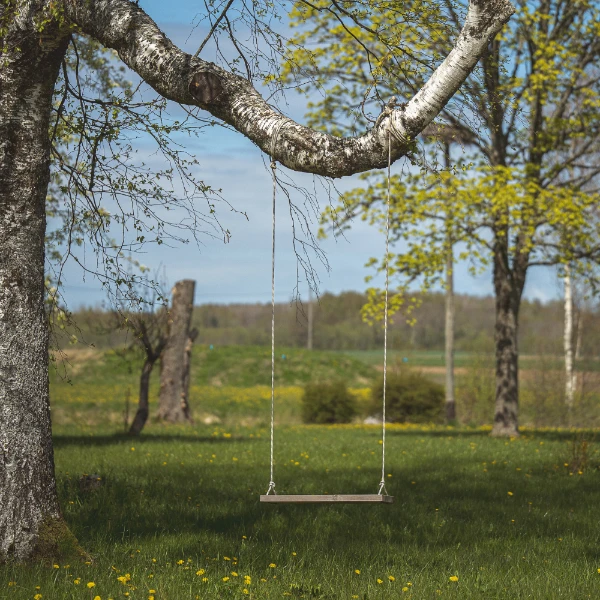
This space has not emerged from nothing. Zvangas has deep roots — much like the centuries-old willows growing here, which have held and shaped this place through different times. We honor these roots today by allowing what comes next to unfold along its own, distinct path.

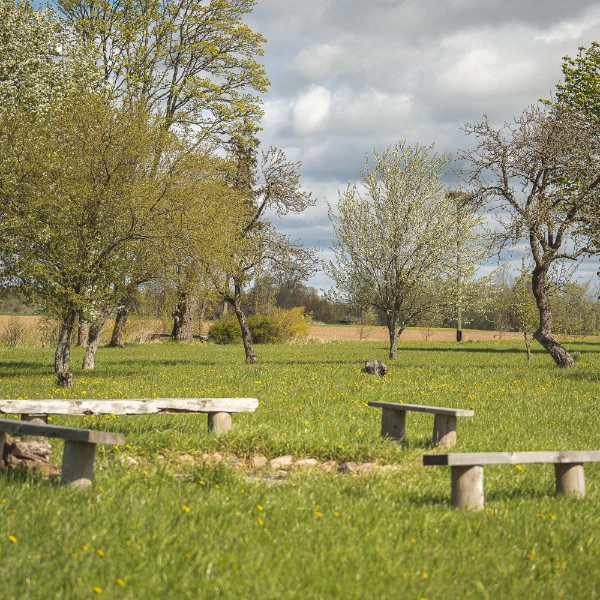
This place can be compared to the centuries-old willows growing nearby. They were planted more than a hundred years ago and since then have grown, changed, and adapted through many eras. Not always straight, not always easily — but with deep roots that sustained life even in moments when everything on the surface was changing.

This space, too, has passed through different stages. The past is present here as roots, while what comes next takes shape in a different way.

The Beginnings of the Farm

Before Zvangas became the space we know today, this place was already living its own life.
It has been a home, a farm, and a large agricultural estate, having passed through different times, owners, and authorities.

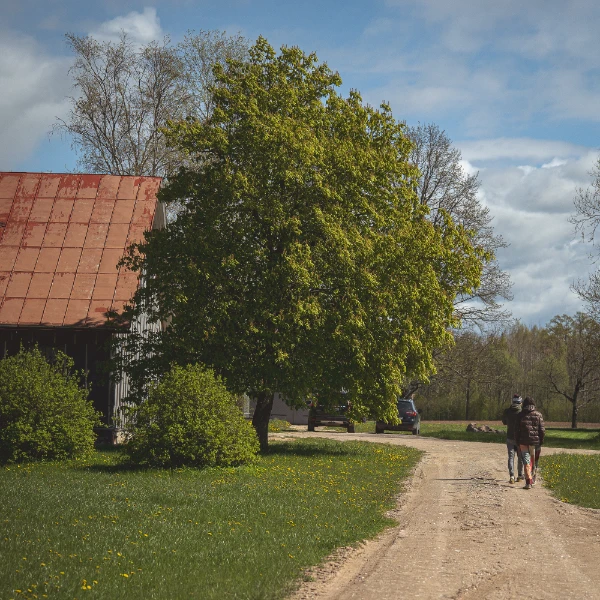
Historically, the name of the homestead is Vangas, and the origins of this large rural estate date back to the period of Latvia’s first independence, when the land was separated from Liepupes Manor. It was a rural farm with an extensive territory, buildings, people, and animals — a place where life unfolded in full and in close connection with the surrounding environment.

The owner, Jānis Nicmanis, managed not only this property in Vangas but also other estates, including in Riga, and at the time also served as the head of Liepupes parish. This period marks a time when the farm was well-organized, viable, and organically connected to the local community.

Years of Change

With the historical upheavals of the mid-20th century, when Latvia came under Soviet rule, the fate of Vangas also changed. The owner was forced to leave the property and flee into exile; the family’s paths were scattered — the son was deported to Siberia, while the daughter emigrated to Canada.

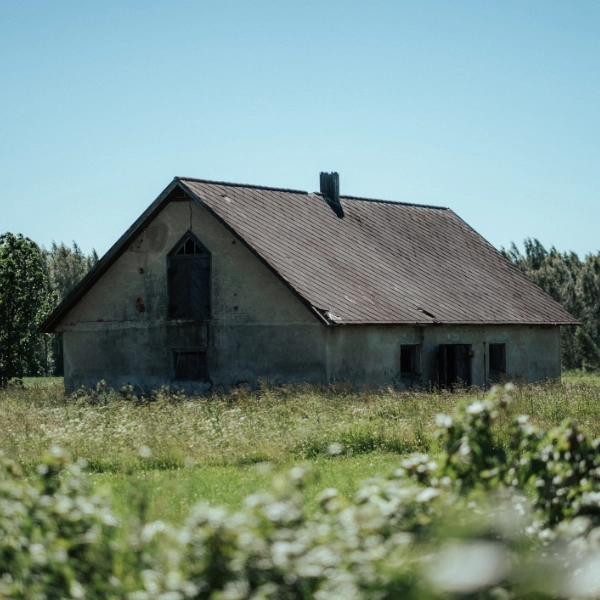
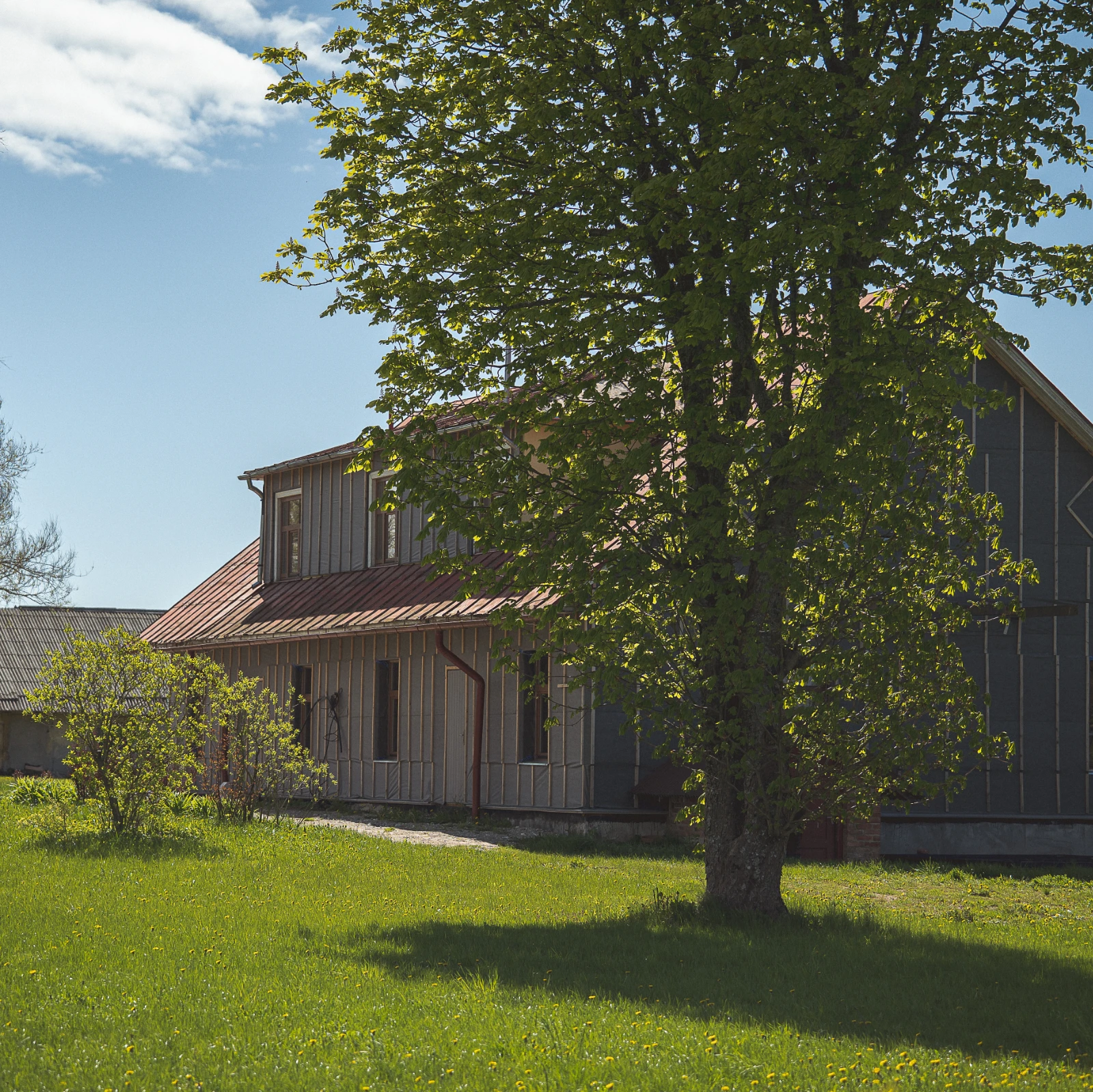
During the Soviet period, a farm was established on the estate’s territory, and the owner’s house was converted into several communal apartments. In this time, the use of the buildings and the surrounding environment was shaped by the system of the era and its practical demands. This period left its marks — both visible and invisible — and became one of the layers that form the experience of Zvangas today.

The Beginning of Restoration

After the end of the Soviet period, the property went through a time of transition, of which only fragmentary traces remain. It was a phase when many rural farms in Latvia were changing owners, functions, and meaning, searching for their place within new circumstances.

Later, the property was acquired by Rasma Kuplā, who began a purposeful process of restoring and caring for the land. The grounds were cleared, areas were freed from overgrowth and unnecessary structures, some buildings were demolished, while others were restored.

Rasma’s work and vision became an important foundation for allowing this place to breathe again. Her intention was to create a space here for the nurturing of Latvian traditions and for people to come together.

From Vangas to Zvangas

In 2019, Vangas came under the care of its current steward, marking a new stage in the journey of the place. This beginning was not about a ready-made project or rapid development, but about taking responsibility for continuing the story of the land — honoring its roots and history while shaping what comes next through a personal vision.

Over time, the form of stewardship and the rhythm of work changed, yet the work with the space never ceased. Zvangas continued to take shape gradually, following the rhythm of life and choosing a path where listening and endurance matter more than speed.

In 2024, the name of the place was changed from the historical Vangas to Zvangas. This change does not deny the past, but includes it. The historical name remains as a root, while the new one opens the space to a different resonance and meaning.

In the Latvian language, zvangas refers to a musical instrument. Within this name lives the sense that the space itself — and the person dwelling within it — can become an instrument whose sound grows clearer over time. Not through force, but by creating conditions in which life can return in its fullness.

Restoration as an Ongoing Process

Between 2020 and 2025, Zvangas underwent gradual restoration and care work that laid the foundation for the space as it exists today. This work was not aimed at rapid transformation, but at long-term resilience, clarity, and room to breathe.

Restoration at Zvangas is not a completed phase. It continues even now — step by step, in attentive listening to the place and its needs. Some work has already been done, some still lies ahead, and all of it is part of a single path along which the space grows and changes in its own time.

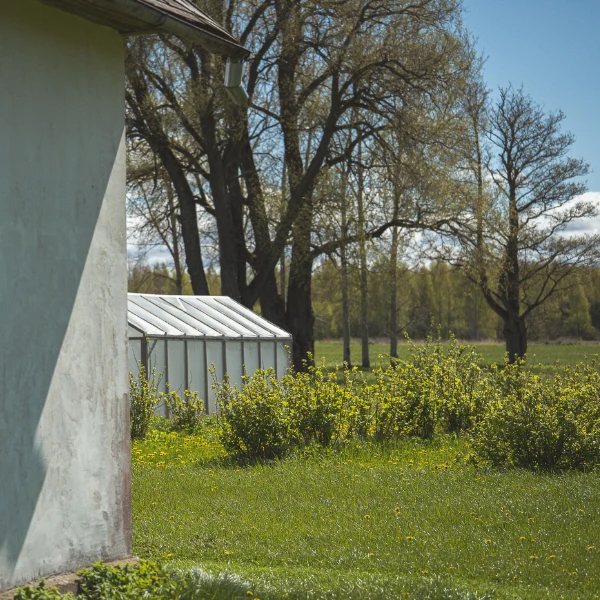
In the course of this work, what is essential is restored and strengthened, while what has served its time is gently released. This process has been documented through photographs, allowing the changes at Zvangas to be seen as they unfold over time.
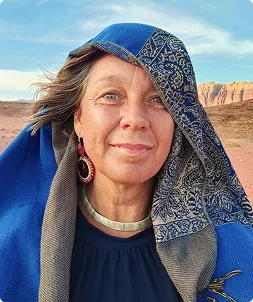
After meeting Uldis Santjago on my path, I have already visited Zvangas twice. Uldis has an exceptional ability to create space — he listens with his heart and soul, welcomes a person exactly as they are, and creates an environment in which one can truly engage in self-discovery. I felt deeply welcomed, safe, and loved.

Continue what you have begun, Uldis. I hope that many people will find their way to Zvangas.
Caroline Froeling
— Netherlands
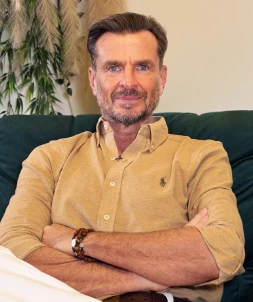
We all present to the world an image we have created for it, yet such lightness enters when we no longer carry that image and dare to reveal our hearts. This stage of the journey is not easy, and thank you for creating a place that supports people on this path. Because when a worldly identity collapses, everything connected to it often collapses as well — at times even family no longer feels like support. People may not yet know their own hearts, nor themselves without roles and masks in the world, and in those moments it is truly precious that we can be there for one another.
Andis Lapins
— Latvia
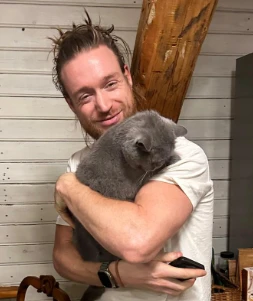
If you are seeking a space to heal and reconnect with yourself, nature, and life, this is the place. A place where you can breathe fully again, where food nourishes the soul, and where, through different practices, you return to your essence. In peace and self-acceptance, time begins to slow down, and the rhythm of life once again aligns with the rhythm of your heart. This is something that can only be felt through experience.
Ruben Bloemendal
— Holland
When you are looking for a beautiful, peaceful place filled with great love, this is the place to go. Here, you can merge with nature, enjoy delicious food, and rest in harmony.

Thank you from the bottom of my heart for creating such a wonderful place.
Jasmin Eider
— Germany

Subscribe to email updates and be the first to know everything!

You can also keep up with news from Zvangas by joining our WhatsApp group!
© Zvangas 2026.